
How It Works
Three core principles that change everything
Our Three Core Principles
The Postal Court method is built on three foundational principles that give you control and create a documented strategy.
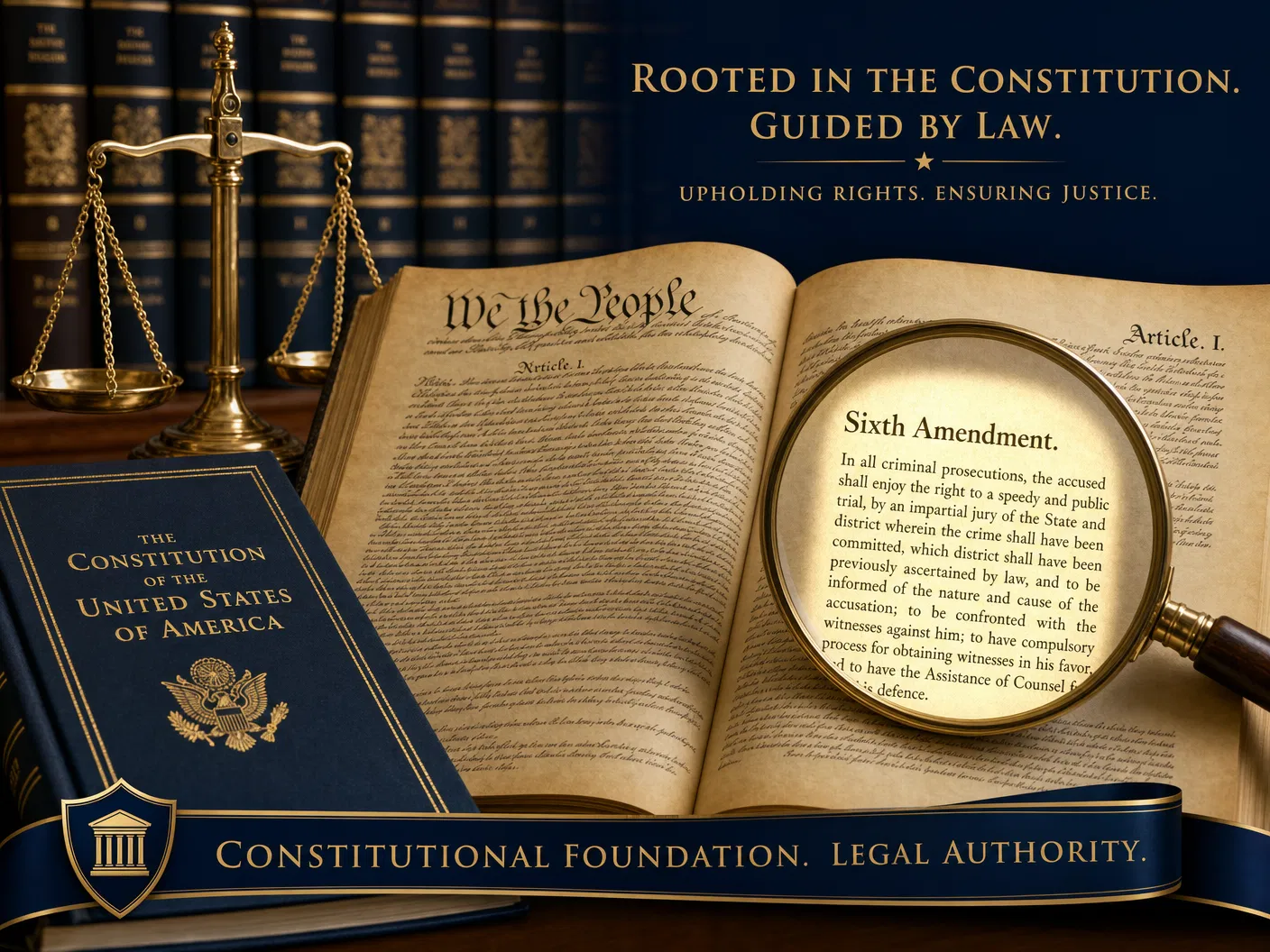
Principle 1: Constitutionality of Charges
Every charge must be constitutional. The Sixth Amendment guarantees your right to know the nature and cause of charges. We help you understand if your charges meet constitutional standards and raise the right questions.

Principle 2: Accounting of Charges
Courts operate as commercial entities. The accounting matters. Every charge has a financial component. We help you understand the accounting principles behind your case and question the accounting done in your name.
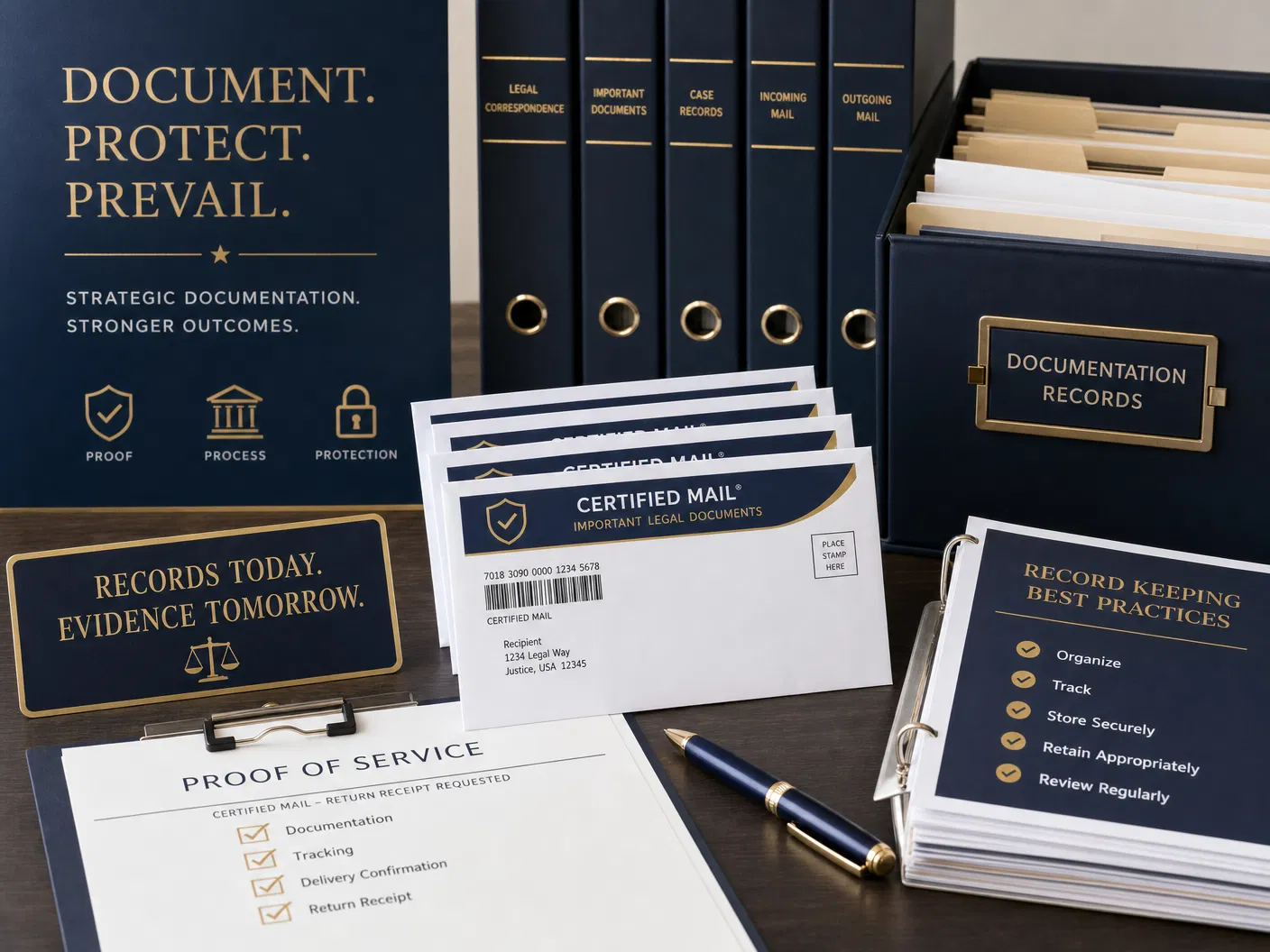
Principle 3: Documentation & Strategy
Everything must be documented. Certified mail creates an undeniable record. Strategic notices establish your position. Documentation is your protection and your power.
The Six-Step Process
Here’s how we work with you from start to finish.
Case Assessment
We review your charges, understand your situation, and identify the key constitutional and accounting issues.
Strategy Development
Using accounting-first methodology, we develop a documented strategy tailored to your specific case.
Document Preparation
We prepare strategic notices, responses, and documents designed to establish your position and create a paper trail.
Certified Filing
Documents are filed via certified mail with return receipt. Every communication is documented and timestamped.
Ongoing Support
We provide guidance on court responses, help you understand what’s happening, and adjust strategy as needed.
Case Resolution
With a documented strategy and clear paper trail, you move toward resolution with confidence and control.
Why This Works
The Postal Court method works because it’s grounded in constitutional principles and focuses on what actually matters in court. Most defendants don’t understand their charges or the accounting principles behind them. By asking the right questions and creating a documented strategy, you establish a position that courts must address.
You’re not trying to trick the system. You’re using the system as it’s designed to be used. You’re exercising your constitutional rights. You’re creating a paper trail. You’re taking control.